←
BioNumPy13 posts
BioNumPy avatar

BioNumPy

@BioNumPy

Python library for array programming on biological datasets. Documentation available at: bionumpy.github.io/bionumpy/

◷ Joined January 2023▧ 10 Photos and videos
BioNumPy avatar
BioNumPy@BioNumPy·18 Oct 2024

And we're now published in Nature Methods 🥳 Full article here: nature.com/articles/s41592-0…

Finally biologists can also use numpy (array programming). Handling e.g. DNA and protein sequences with convenience and speed, like physicists and machine learners for decades have worked with numerical data: nature.com/articles/s41592-0… (1/3)

BioNumPy avatar
BioNumPy@BioNumPy·6 Mar 2023

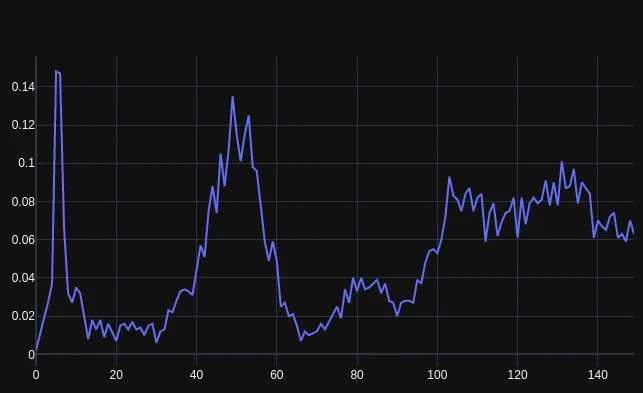
.. or around transcription factor peak summits. Here we plot the pileup for reads on the positive and negative strand, and clearly see the pileups we expect around the summit.

Post attachmentPost attachment
BioNumPy avatar
BioNumPy@BioNumPy·6 Mar 2023

It’s quite easy to e.g. find the mean read pileup value around transcription start sites or other locations.

Post attachmentPost attachment
BioNumPy avatar
BioNumPy@BioNumPy·6 Mar 2023

The Genome object makes it easy to read bam-files, bed-files and other data that belongs on a reference genome. Getting a pileup from intervals and slicing the pileup can be done with NumPy-like syntax.

Post attachmentPost attachment
BioNumPy avatar
BioNumPy@BioNumPy·6 Mar 2023

BioNumPy has been updated with changes that make it a lot easier to work with genomic intervals and data on a reference genome 😀 Here are a few cool examples to illustrate the new stuff: