
🚨 Beyond thrilled to announce that I am, at long last, writing a book.🚨

 Open web. Clear feed.

staff writer @theatlantic // writing a book for @randomhouse // rep’d by @elysecheney // ross@theatlantic.com
🚨 Beyond thrilled to announce that I am, at long last, writing a book.🚨


I wrote about Comet Ping Pong and the very strange decade that its staff has just experienced:
Whatever happened to the D.C. restaurant that became ground zero for the Pizzagate conspiracy theory? @andersen spoke with James Alefantis, the owner of Comet Ping Pong, and others 10 years after the violent events: theatlantic.com/technology/2…

I shall celebrate Columbus Day by passing on this one-sentence novel excavated from Don DeLillo's Underworld:


If your kids are in school they’re constantly being prompted to “relate” to some text… listen to Anne


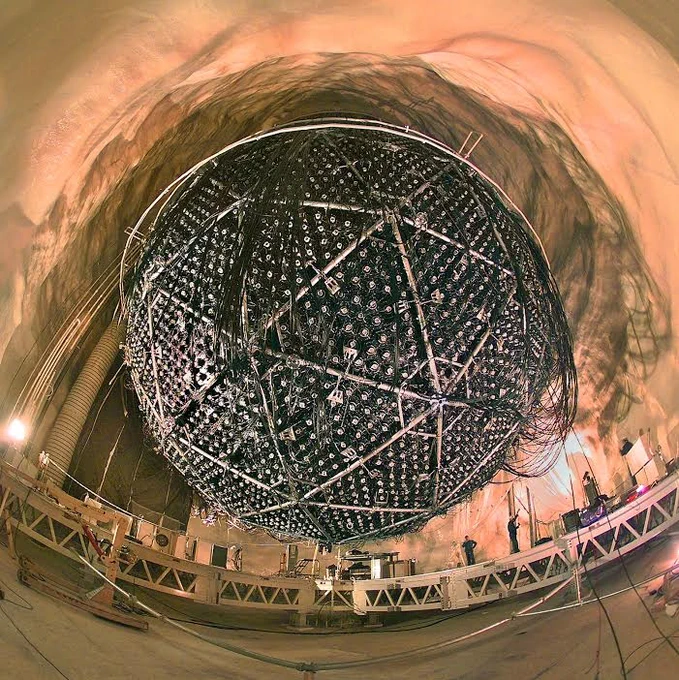
neutrino observatories must be one of the most eerily beautiful structures humans have ever built




I know, I know, we live in an age of over-certainty and extreme cynicism—but I still find it fascinating to watch people dismiss any criticism of AI companies, however nuanced, as outright "doomerism." I’m just as bewildered by those who still claim AI is just hype. 🧵

The best entry on Petrov is in encyclopedia Brittanica which says, “He is survived by his two children, two grandchildren and the entire human race.”
Happy Petrov Day


I never knew this! @andersen I presume
A wild detail from Superintelligence (2014): Out of roughly 100 people Nick Bostrom thanks in the acknowledgements, the first two are @sama and @DarioAmodei. OpenAI was founded 18 months later.


A novel legal strategy represents a new front for the climate-change movement—if it holds up in court, @andersen reports: theatln.tc/CiDELcfP


The history is telling here. The ways a democracy responds to a danger are three: legislation, regulation and litigation. 🧵 theatlantic.com/science/2026…

For the past few months, I’ve been working on a big story about climate attribution research. This is the science that purports to link specific oil companies to extreme weather events. It’s the research that states and counties and cities all over America are using in the lawsuits that they’ve filed against the fossil fuel industry. The plaintiffs in these cases are asking for enormous damages—tens of billions of dollars, in many instances—and my story is about whether this (new-ish) field of research will be able to bear the scrutiny of that kind of high-stakes litigation. You can read it here: theatlantic.com/science/2026…


Bobby McIlvaine was 26 when he died in the September 11 attacks. In 2021, @JenSeniorNY wrote about grief, conspiracy theories, and one family’s search for meaning in the decades since 9/11. Revisit the Pulitzer Prize–winning story: theatlantic.com/magazine/arc…


